Youth & Education
Investing where the future actually lives — mentorship, scholarships, and pathways that keep our young people connected to home.

A coordinated operating system for the Virgin Islands — public safety, housing, energy, healthcare, education, and economic growth, engineered to work as one.
The Virgin Islands does not need small fixes anymore.
Energy touches healthcare, education shapes crime, housing decides who can stay, technology defines trust, and community pride underwrites every other system. The future belongs to leaders willing to rebuild systems — not manage decline.
Building the future of the Virgin Islands together.
Before policy, before platforms, before procurement — there are people. Phase 1 is the community-driven movement reconnecting youth, culture, neighborhoods, and local economy across St. Thomas, St. John, and St. Croix.
Investing where the future actually lives — mentorship, scholarships, and pathways that keep our young people connected to home.
Block by block, family by family. Neighborhood pride, mutual aid, and visible improvements led by the people who live there.
Local businesses. Local wealth. Supporting entrepreneurs, creators, and small operators who keep dollars circulating at home.
Our culture is our identity, memory, and engine. Music, carnival arts, storytelling, and traditions carried forward by the next generation.
Community Restoration is where unity, trust, and local ownership are rebuilt at the human level. The modernization blueprint below is the operating system that scales that work into government, infrastructure, and territorial policy.
The framework connects infrastructure, accountability, workforce development, and community restoration into a single public mission. Technology supports human systems — it doesn't replace them.
Public systems should produce visibility, speed, coordination, and resilience in daily life.
Residents should be able to track spending, contracts, timelines, and outcomes in real time.
Neighborhoods should be repaired, beautified, and reactivated rather than managed in decline.
Young people should move from training to certification, work, entrepreneurship, and local wealth creation.

The future of the Virgin Islands does not live in a slogan —
it lives on every block, every grid, and every classroom.
Each pillar addresses a system failure, but none of them stand alone. Together they create a model for safety, continuity, economic survival, and long-term public confidence.
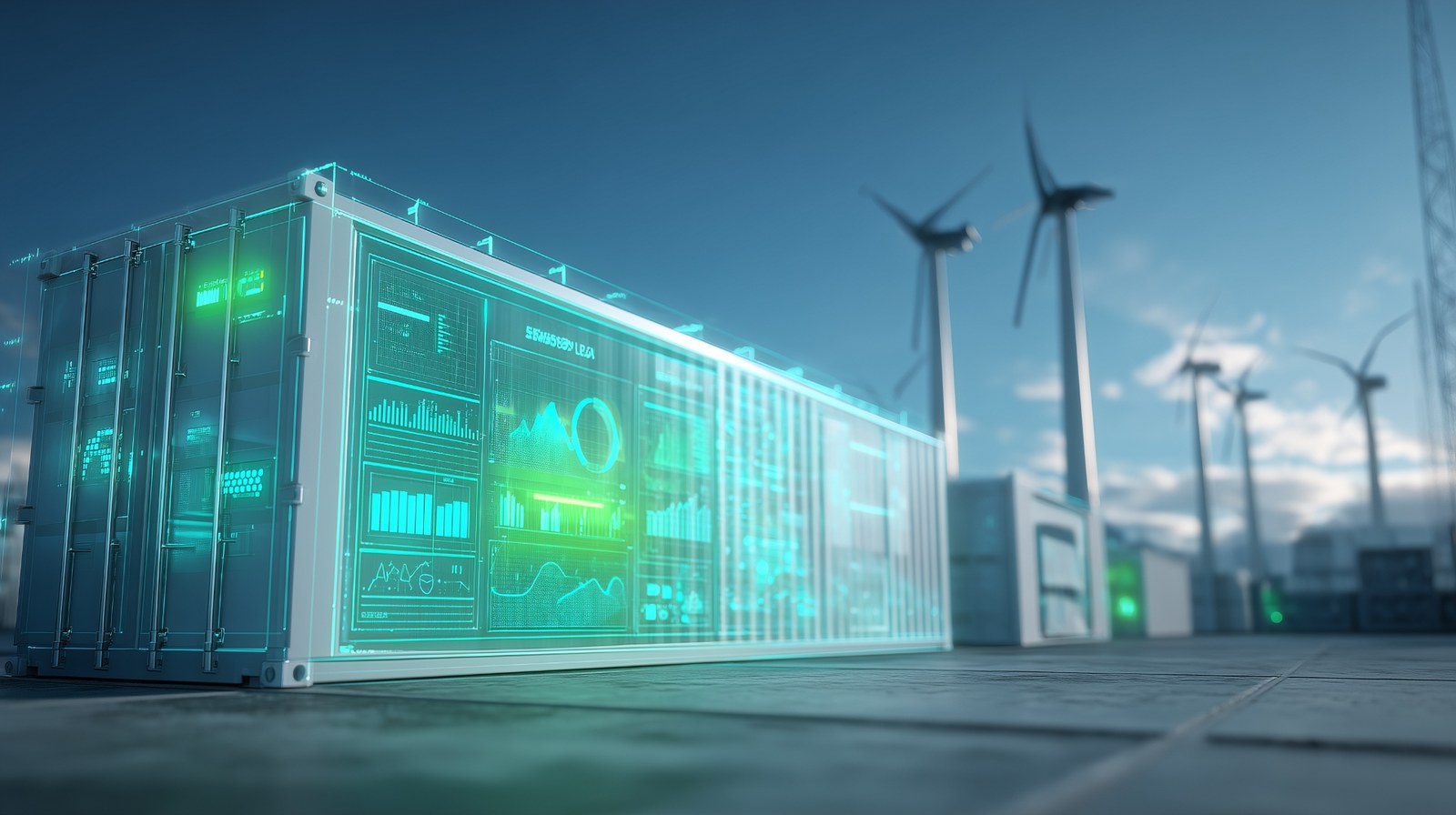
From one of the most fuel-dependent grids in America to an energy-independent territory. Five phases. One decade. A grid built for the islands.

150 MW utility-scale solar paired with 600 MWh of grid storage across all three islands.
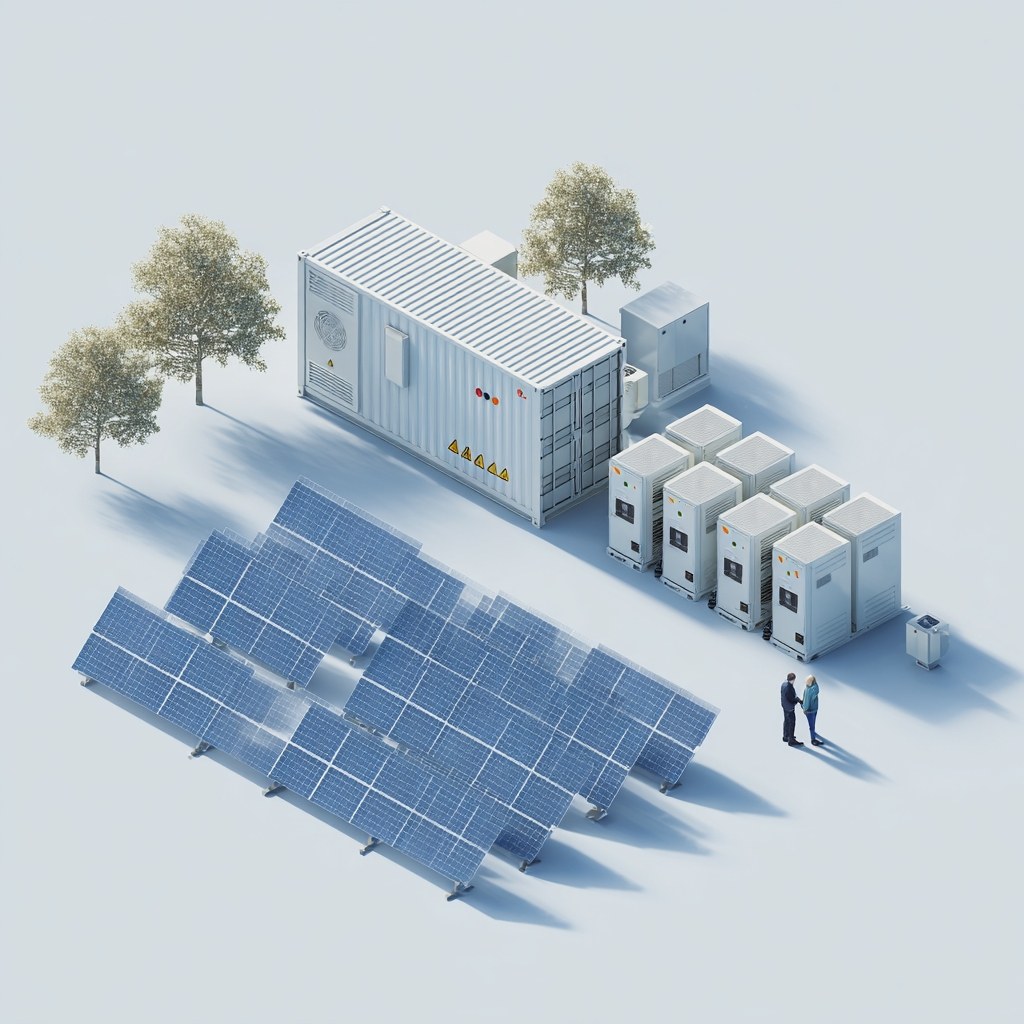
20 community energy hubs at schools, shelters, hospitals, and emergency sites.
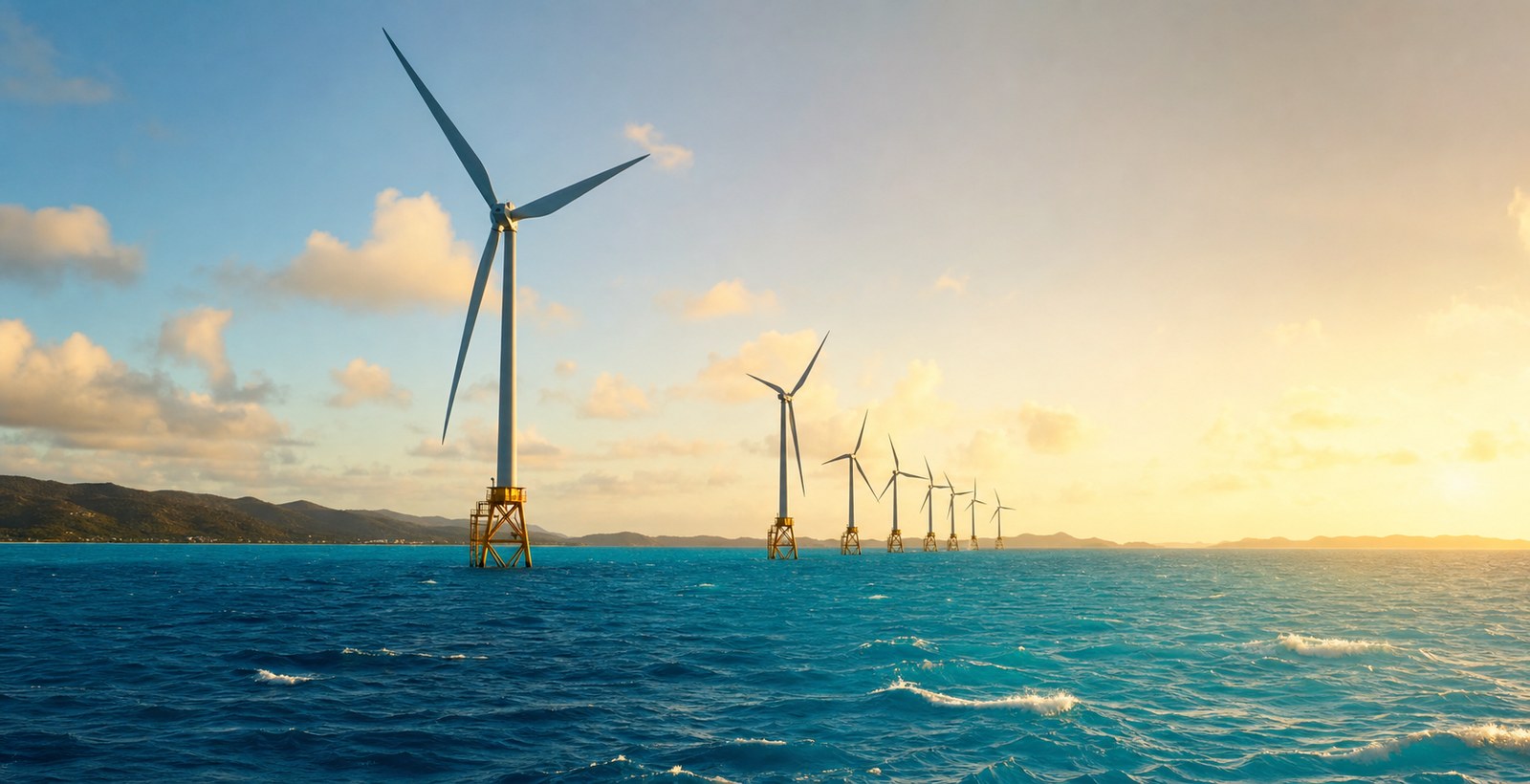
50 MW of offshore and nearshore wind generation — power day and night.
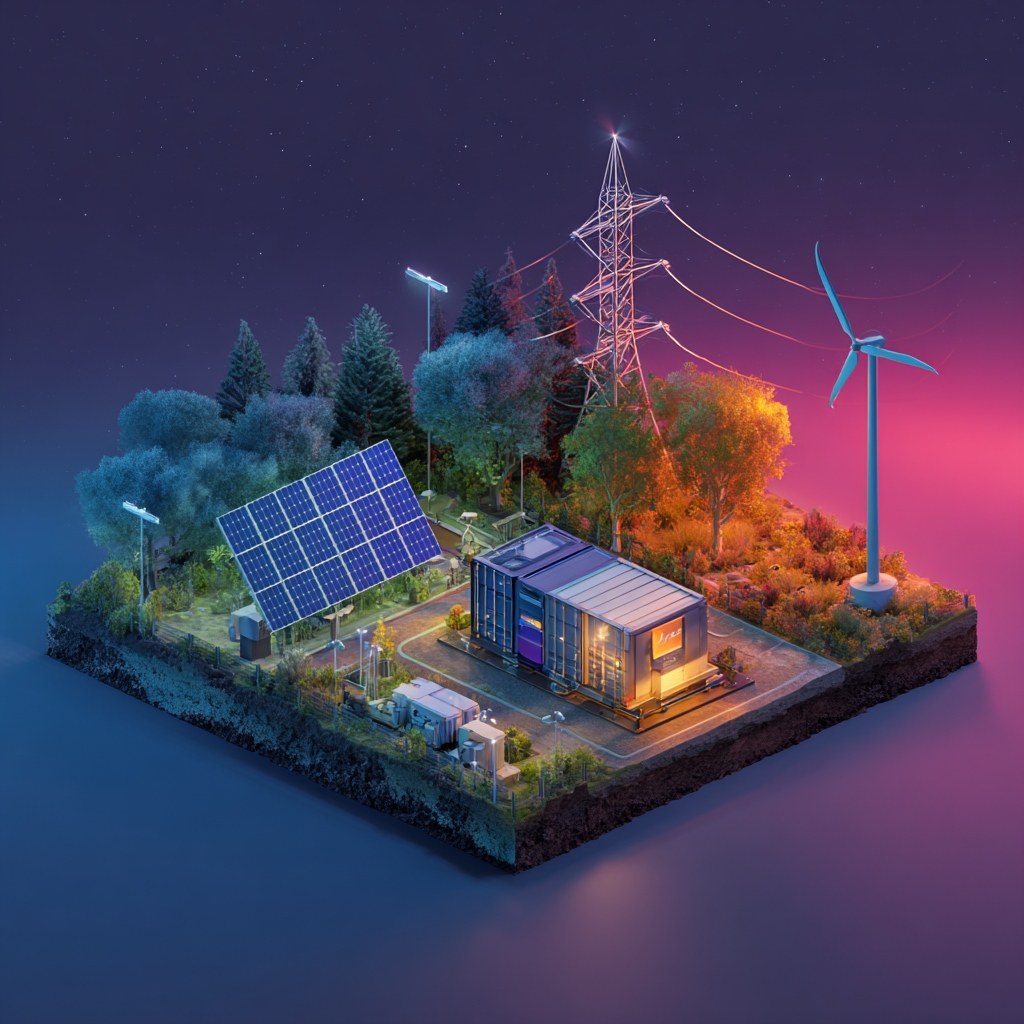
500 MWh of additional grid storage at three strategic sites.
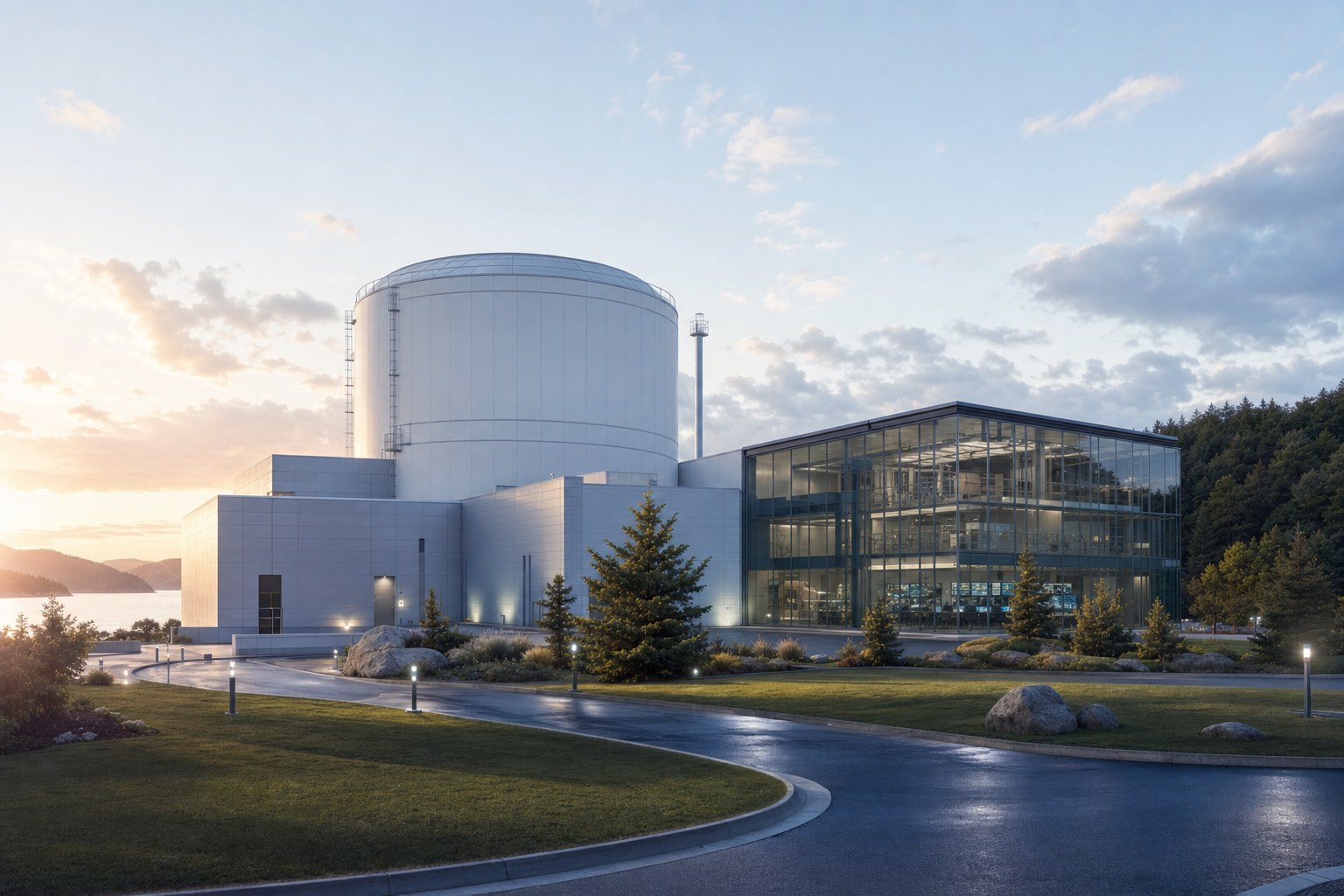
Evaluate a 50—100 MW SMR for 24/7 baseload power — studied openly, decided by the community.
Community Proposal · Vol. 01 Download the full Energy Independence InitiativeIndependence is infrastructure.
— Virgin Islands Energy Independence Initiative
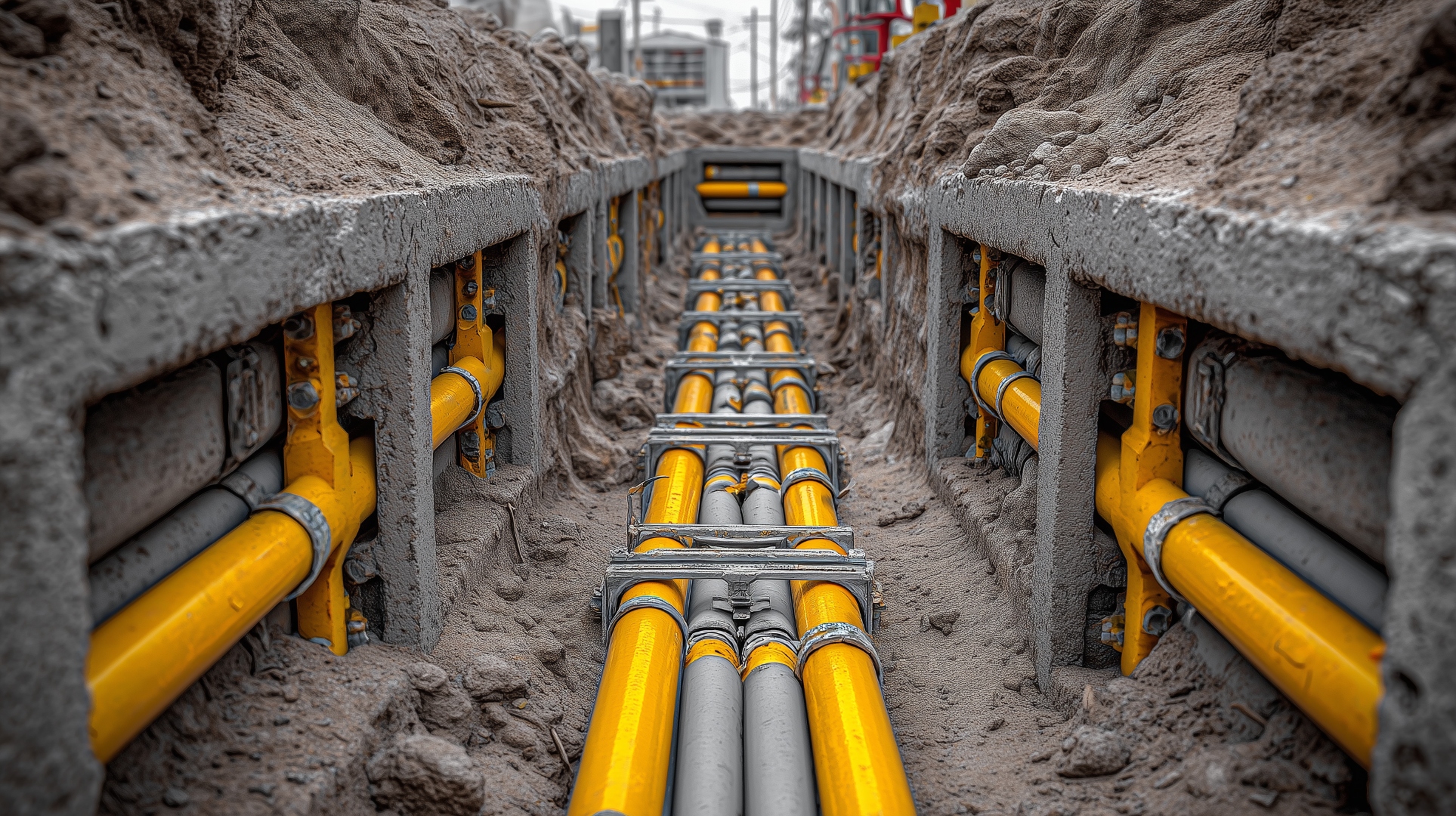
Public safety cannot rely only on adding personnel. It needs a unified smart-island grid that links emergency response, traffic systems, public infrastructure, weather intelligence, and neighborhood monitoring into one coordinated response layer.

Every trade pathway must mirror what the territory actually needs. Three demand engines are clear: infrastructure reconstruction across energy, housing, maritime, and telecom; senior care for an aging population that needs nurses, aides, and care coordinators; and AI and applied technology spanning data, cloud, cybersecurity, and automation. Training starts earlier so students move into certifications, apprenticeships, jobs, and entrepreneurship without leaving the islands.
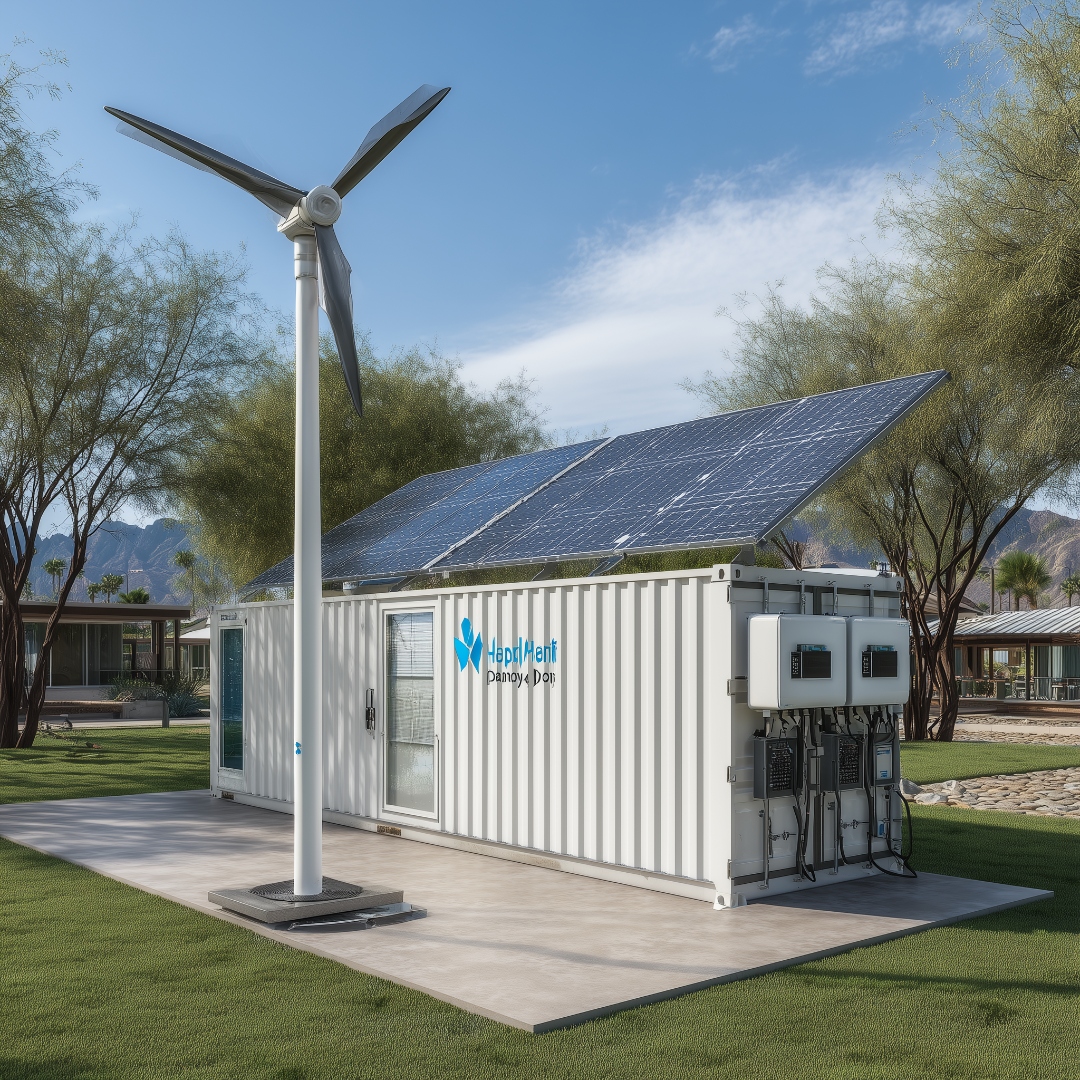
The future energy model is decentralized, modular, and storm-resilient. Critical infrastructure must never fully fail — yet today the territory still depends on a single fragile system. Power is the backbone every other pillar relies on: healthcare, education, water, communications, and commerce all collapse the moment the grid does. Energy strategy is therefore inseparable from public safety, economic continuity, and storm recovery.
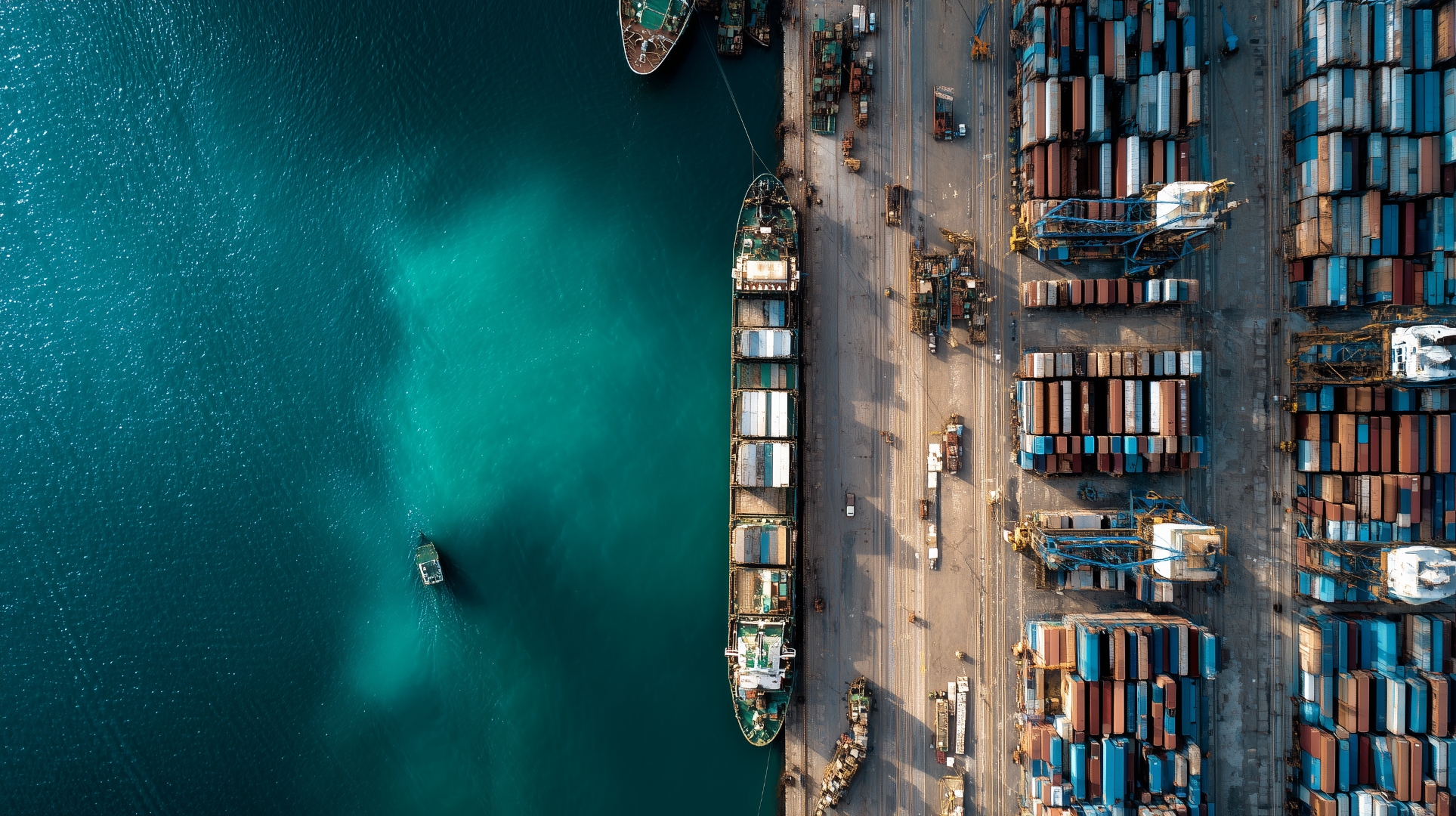
The economy cannot remain dependent on tourism and government employment alone. Growth must come from St. Croix as the territorial commercial engine — Jones Act maritime logistics, fiber connectivity, data sovereignty infrastructure — alongside technology, agriculture, media, remote work, and green industry across all three islands.

Housing instability now functions as an economic threat, a workforce threat, and a family stability threat. The response has to combine affordability, resilience, speed, ownership, and neighborhood quality.

Healthcare should move from fragmented emergency response to a connected continuity model that links dispatch, clinics, hospitals, specialists, pharmacies, home care, and mental-health support.

Visible deterioration and broken promises drain public confidence. This pillar restores civic ownership through transparency, beautification, cultural investment, and public proof that systems are improving.
St. Thomas anchors tourism. St. John anchors conservation. St. Croix is the largest island, the deepest port, and the natural home of the Virgin Islands' commercial future and Caribbean talent pipeline — maritime trade, digital infrastructure, data sovereignty, and a regional hub for healthcare, technology, and skilled-trades training that exports leading talent across the Caribbean.
Activate St. Croix's deepwater capacity as a U.S.-flag commercial corridor. The Jones Act gives Virgin Islands ports a competitive position for domestic transshipment, bunkering, repair, and federal logistics that foreign-flag Caribbean ports cannot serve.
Position St. Croix as a Caribbean cable-landing hub. Subsea fiber and middle-mile capacity turn the territory from a connectivity consumer into a regional provider — selling bandwidth, transit, and resilience.
Corner data sovereignty as a legal and regulatory product — not a heavy industrial footprint. A Virgin Islands Data Sovereignty Act, a territorial trust framework, and lightweight edge presence give the islands a recurring revenue stream without the water, power, and emissions cost of large data centers.
Build St. Croix into the Caribbean's training and credentialing center for the three industries the region cannot live without — healthcare, technology, and the skilled trades. Export Virgin Islands-trained talent across the Caribbean and create a permanent inbound flow of students, instructors, and contracts.

The site is structured as a governing framework first and a political communication tool second. Candidates, donors, policy teams, churches, civic organizations, and neighborhood groups can each use it because every pillar is framed as an operational system with measurable outcomes.
Introduce the blueprint as a territory-wide reset built around dignity, accountability, resilience, and economic survival.
Translate each pillar into signature projects, public dashboards, workforce targets, and agency-level coordination plans.
Tie modernization to local jobs, procurement pathways, apprenticeships, and neighborhood visibility so residents see who benefits and how.
Behind every pillar is a person who will operate it — the apprentice, the lineworker, the teacher, the medic, the small-business owner, the artist who holds a neighborhood together.
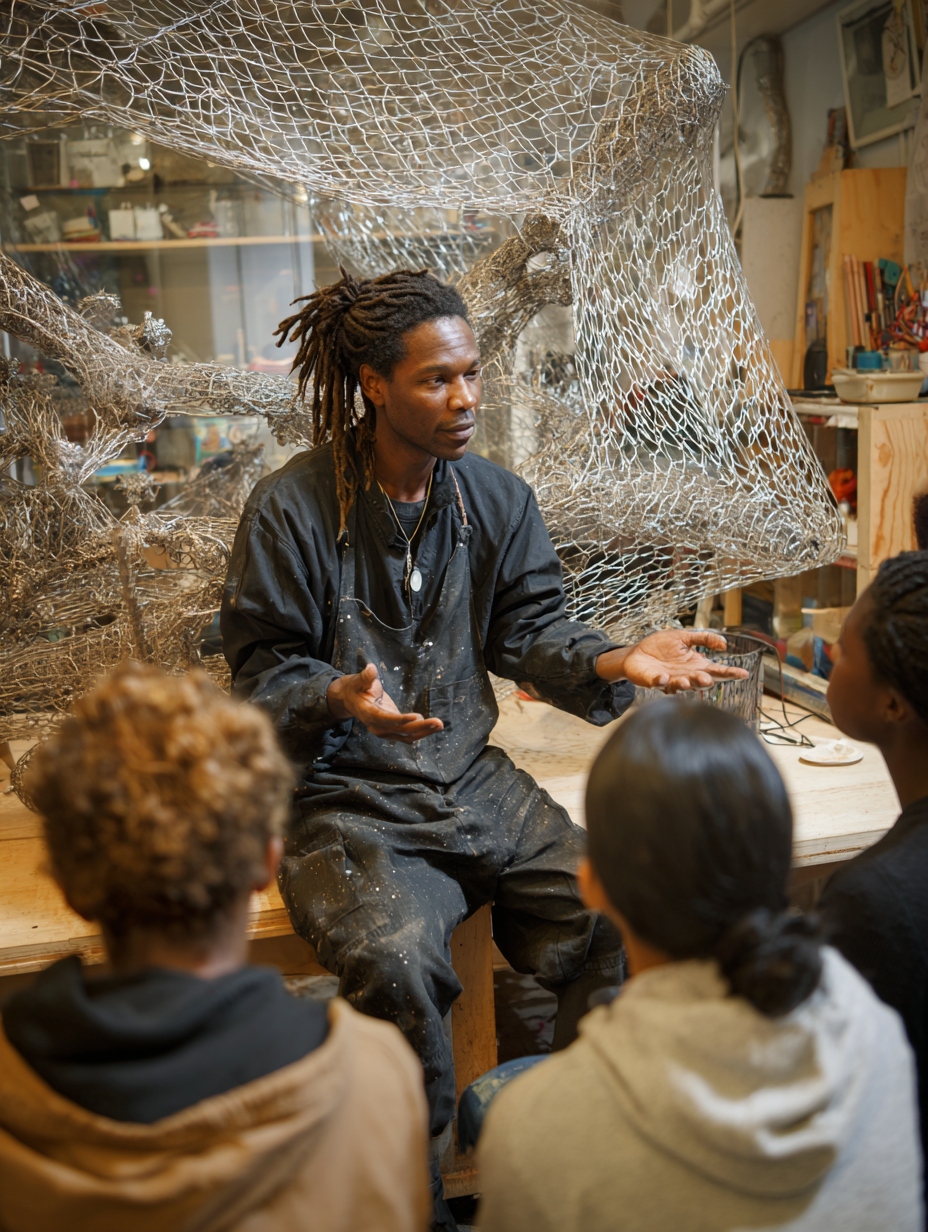 01· Community
“The work begins where children can see themselves in it.”
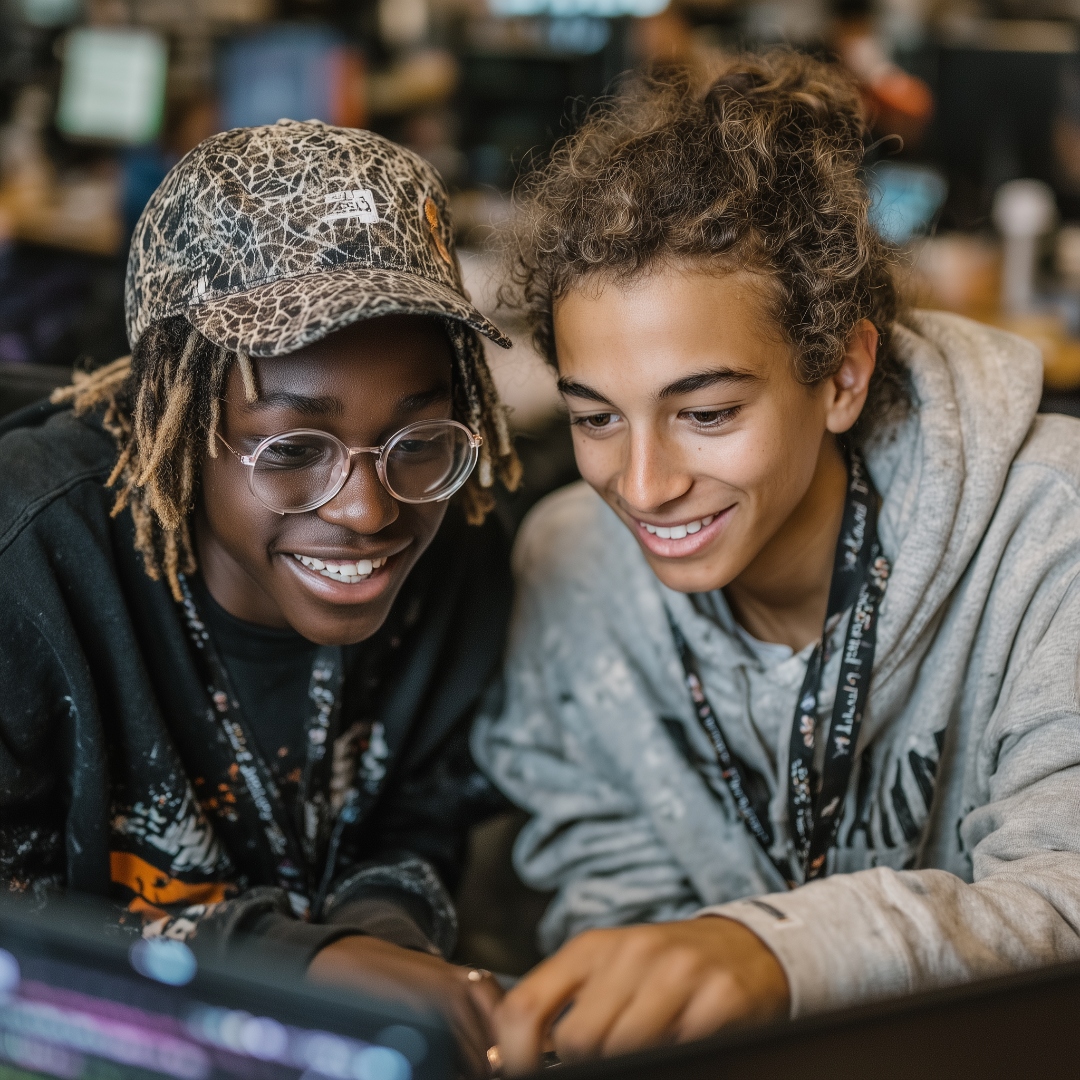 02· Technology
“Code is a trade now — teach it like one.”
 03· Logistics
Modern economies move by warehouse, dock, and dispatch.
 04· Trades
Hands that build the islands.
 05· Energy
The lights stay on because of them.
 06· Education
No more siloed plans, no more borrowed playbooks. The Virgin Islands has the talent, the location, and the moral authority to build the most resilient small-island operating system in the hemisphere. What it needs now is the coordinated will to do it. Read the framework. Pressure-test it. Improve it. Then help carry it forward.
Use this site as